Building business vs. running busyness in adventure tourism
Running great tours and being a good guide are not competitive advantages. They are table stakes. The business is the system under the hood: the invisible machinery that finds customers, holds knowledge and keeps the work moving. After 20 years operating tours across 40 countries, Alex Farlander explains what that system looks like.
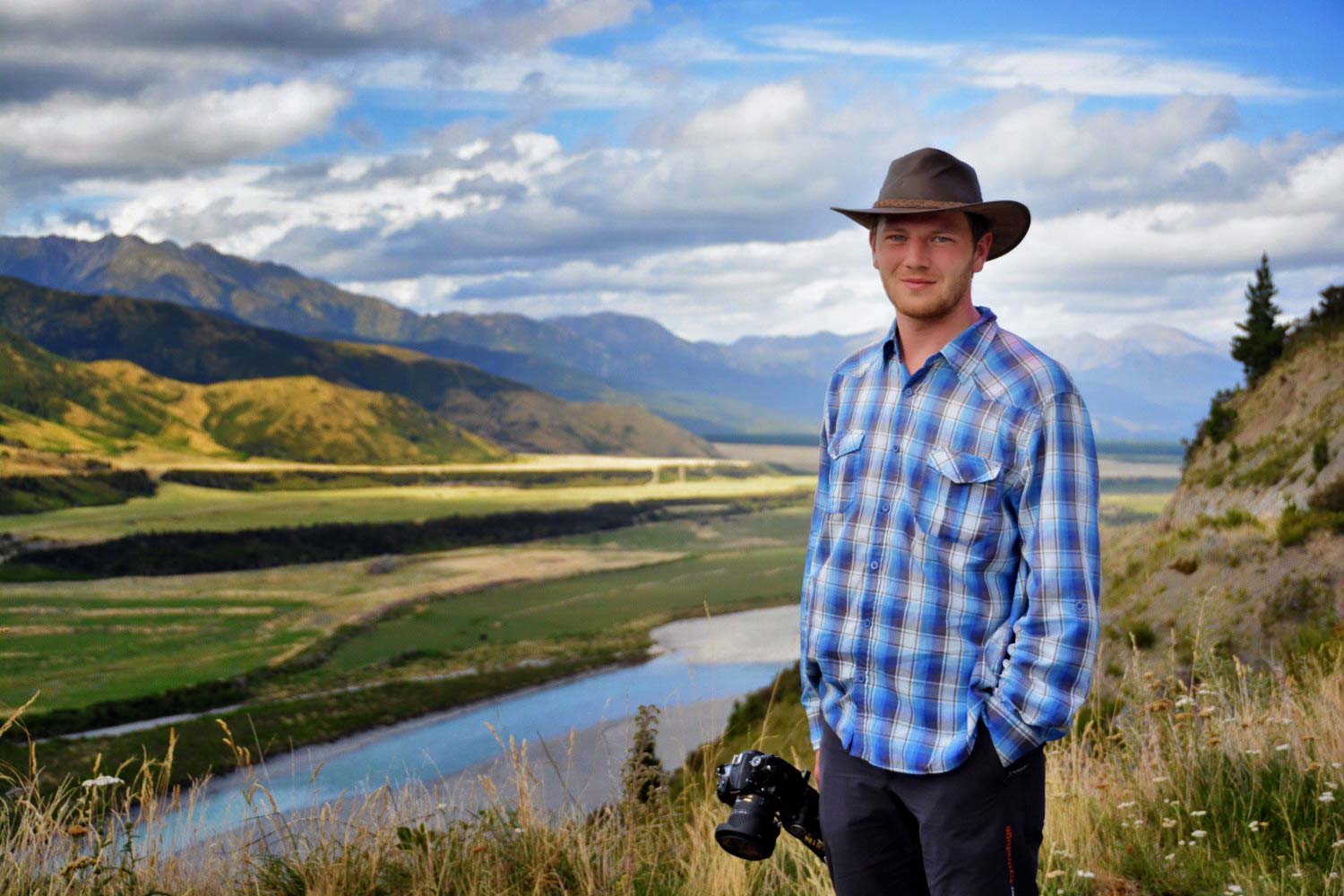
Alex
“A ten-day adventure can involve ten hotels, twenty-five activities, several guides, transport, payments and hundreds of messages. Most operators still coordinate much of this through email, documents and memory. The tour can be excellent while the company behind it remains fragile.”
Interviewer
You say most tour operators face the same problem. What is it?
Alex
Most are running busynesses rather than building businesses. The tours may be excellent, guests may be happy and revenue may be coming in. But pricing, supplier knowledge, marketing, sales and dozens of daily decisions still depend on the founder and a few key, irreplaceable employees.
That dependency limits the company’s potential. The company can grow only as fast as those people can take on more work, and hiring another irreplaceable employee only moves the limit. For founders who want to grow, this becomes a trap: growth still depends on heroic effort.
Interviewer
Isn’t heroic effort simply part of running an adventure tour company?
Alex
At the beginning, yes. A founder has to supply the energy that gets a company moving.
What matters is what that effort leaves behind. If the tenth season requires as much manual work as the first, the company is not retaining its experience. Each season should improve specific assets: supplier data, pricing rules, customer history and documented routines. Then the next season starts from a higher base.
Interviewer
What does it mean for a tour company to keep what it learns?
Alex
It means turning repeated decisions into information and processes the company can reuse. Supplier contacts and contract terms become maintained records. A private quotation uses a pricing model. A booking triggers a known sequence of confirmations, payments, supplier requests and guest preparation.
Marketing and operations should also share context. If a guest arrives through an advertisement or partner, the company should retain the source, their questions, the booking decision and what happened on the tour. The next campaign, quotation or departure can then begin with evidence from the previous one.
Interviewer
Why can’t an operator just add a few AI tools?
Alex
Buying a few AI tools is like buying a car without learning how to drive. You have the car, but now what?
The operator still has to decide which work should change, describe how that work is done and give the AI access to reliable information. A public chatbot may read the website, but it does not know your contracted rates, cancellation terms, preferred suppliers, pricing rules or customer history.
Once that information is organised, an assistant can prepare availability requests, draft quotations and record customer conversations. The subscription gives you the tool. The business system gives it something useful to do.
Interviewer
Why do experienced tour operators have an advantage now?
Alex
Experienced operators already know what is difficult to learn. They know which promises survive contact with reality, where itineraries become tiring and which suppliers answer when something goes wrong.
Tourism teaches slowly because we work in seasons. You may get one real chance each year to improve a particular route. A new operator can buy the same software. They cannot buy the experience you have built over ten or twenty seasons.
“You cannot download twenty seasons of experience, especially crisis management.”
Interviewer
Which part of the business should become a system first?
Alex
Marketing, because its inputs and outcomes are easier to observe. For every enquiry, an operator can record where it came from, what it cost, whether it became a conversation, whether it converted and what the booking was worth.
For a multi-day operator, instant booking is not necessarily the goal. The conversation before payment helps both sides judge whether the trip fits. The system should preserve that conversation, schedule the next action and store the context for follow-up and future trips.
Interviewer
Why is a multi-day tour company so difficult to organise?
Alex
A tour exists in several dimensions at once. There is the route through space, the rhythm of seven or fourteen days, and the money that moves from one guest payment to many suppliers.
Most operators still store the tour itself in Word files, Google Docs and spreadsheets. Then there are supplier contacts, rates, availability, guest details and guide schedules. A practical starting point is one process, such as checking supplier availability or handing a booking to operations. Define what information enters, who is responsible, what the process produces and where the record is kept.
Interviewer
Can you give one concrete example of what this changes?
Alex
Take a private fourteen-day trip. Someone may have to check ten accommodations, twenty-five activity providers, transport, prices and availability before sending a quote. That can take hours.
With a maintained supplier database and pricing rules, software can prepare availability requests, collect replies, calculate a draft price and assemble a quotation. A person still reviews exceptions and chooses the final combination. Without the source data, AI can only guess.
Interviewer
What changes for the owner when these systems begin working?
Alex
First, ordinary work gets faster. A reply can take 30 seconds rather than five minutes. A quote may take minutes rather than an afternoon. Across a full day, that is a large difference.
The company also gains capacity. Once the steps and information are explicit, staff or automation can handle routine work without the owner explaining it again. The owner can be on tour and still know what is happening in the office. This reduces dependence on one person and makes the work easier to hand over.
Interviewer
What do you actually build for an operator?
Alex
The work usually falls into five categories. It may be one defined project or an ongoing fractional digital-director role.
- Digital direction: audit the current setup, set priorities and make technology or vendor decisions.
- Websites and booking: audit, update, redesign or build the website, trip pages, enquiry forms and booking flow.
- Marketing and sales: set up campaigns, attribution, CRM and email follow-up.
- Operations: structure supplier, rate and availability data; define booking workflows and internal handovers.
- AI assistants and automations: connect approved information sources to specific tasks and workflows.
Each project should replace specific manual work, close an information gap or improve a measurable commercial result. Otherwise it is another tool the company has to maintain.
Interviewer
How did you come to this work?
Alex
I ran tours for about twenty years and worked across forty countries. I designed itineraries, found and negotiated with suppliers, answered enquiries, led trips and dealt with the days when the plan fell apart.
I have also built websites since 2003 and run marketing for the same businesses. For the past three years I have worked full-time with AI, automation and software. The work grew from operational problems I had already encountered in my own companies.
Interviewer
Where should an operator begin?
Alex
Start with one path through the business, usually from enquiry to completed trip. Write down every handover, repeated data entry, delay and decision that only one person can make. That shows where capacity is being lost.
The first project may be the website if the right guests cannot find or understand the offer; marketing if the source of bookings is unclear; supplier data if quotations are slow; or the booking workflow if confirmations and handovers fail. Choose one bottleneck with a visible cost and a narrow scope.